Featured Article

Fact Sheet: Trade and Tariff Impacts

April 2: President Trump announced changes to the tariffs on imported steel, aluminum and copper. The tariff on finished products is reduced from 50% to 25%. The 25% rate will apply to the full value of a finished product, containing steel, aluminum or copper, rather than the value of the metal in the product. The 50% tariff will remain for commodity-grade products that are mostly made of the respective metals. Products that contain less than 15% of steel, aluminum or copper by weight will not be subject to this specific tariff; instead, they will be subject to the separate 10% global tariff.
Read more
Featured Article

Commodity Update – April 2026

Global demand for electrification brings record copper prices past price ceiling, and U.S. steel shipments rose year over year in February.
Read more
Featured Article

Supply Chain Update – March 2026

Conflict in the Middle East is raising fuel costs, disrupting shipping routes and adding upward pressure on commodity markets. Plus, the new CDL regulations tighten U.S. driver eligibility.
Read more

Stay Connected
Get all the latest sent to your email inbox

Search all articles

data mistakes in manufacturing

Data mistakes in manufacturing | 7 common analytics pitfalls to avoid

job site injury

Job site injury | 3 steps for construction crews to take after an accident

electric utility asset management

7 Benefits of Predictive Maintenance for Electric Utility Asset Management

wellness in architecture

Wellness in architecture | 7 construction trends that foster better health

leds amplify efficiency

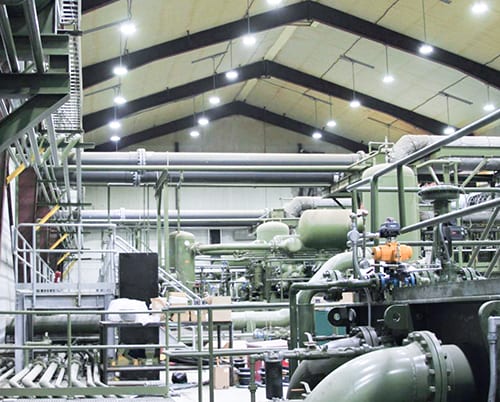
4 ways LEDs amplify efficiency in industrial facilities | Border States

benefits of off-site construction

6 benefits of off-site construction (modular, prefabrication) | Border States

carbon capture and storage

5 potential benefits of carbon capture and storage (CCS) technology

smart lighting control systems

Smart lighting control systems | 9 reasons to upgrade industrial facilities

NFPA 70E vs. NFPA 2112

NFPA 70E vs. NFPA 2112: PDF compares FR safety compliance standards